Verrucae are common, but you may wish to consider treatment if one is painful, persistent or causing concern.
A verruca is a type of wart caused by human papillomavirus (HPV). Verrucae usually develop on the soles of the feet, where pressure from walking can make them uncomfortable. Verrucae can also spread through contact with infected skin or surfaces where the virus may be present. [1][2]
Many verrucae eventually disappear without treatment, so treatment is not always necessary. However, when a verruca becomes painful, persists or interferes with everyday activities, you may want to discuss treatment options with a suitably trained professional.
The exact device model and its intended use should also be confirmed before treatment. This article explains what the treatment involves, what you can realistically expect and when another form of medical assessment may be more appropriate.
What is a verruca?
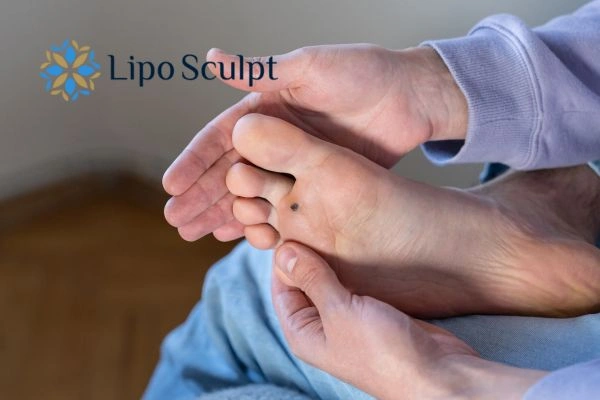
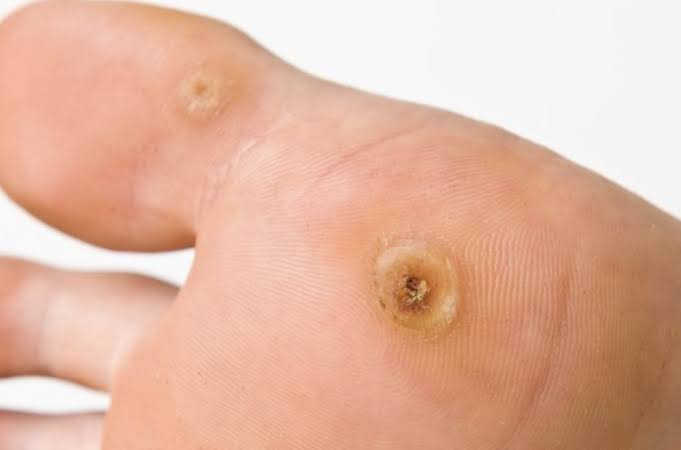
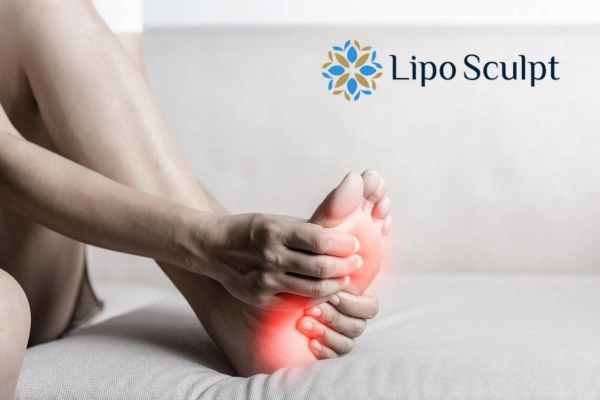
A verruca, also called a plantar wart, is a benign skin growth caused by HPV. It commonly appears on the sole of the foot or around the toes.
Because the verruca is located on a weight-bearing part of the foot, pressure can push it into the skin rather than allowing it to grow outward. This is one reason some verrucae can become uncomfortable when walking or standing. Read more about CryoPen and the skin concerns it may be used for
Verrucae can spread through skin contact or by touching contaminated surfaces. They are more easily spread in places such as swimming pools and communal changing rooms. [1][2]
Importantly, having a verruca does not mean your feet are dirty. They are common viral skin infections and can affect otherwise healthy people.
Do verrucae always need treatment?
No.
Many verrucae eventually clear as the body’s immune system responds to the viral infection. NHS guidance notes that treatment may be considered when a verruca is troublesome, painful or persistent. [1]
For some people, leaving a painless verruca alone is a perfectly reasonable option.
Treatment may become more appealing if the verrucae:
- hurts when walking or exercising
- has been present for a long time
- is spreading or appearing in several areas
- is interfering with normal activities
- is causing significant concern about its appearance.
A consultation should focus on whether treatment is actually appropriate rather than assuming every verruca needs to be removed.
What is CryoPen treatment?
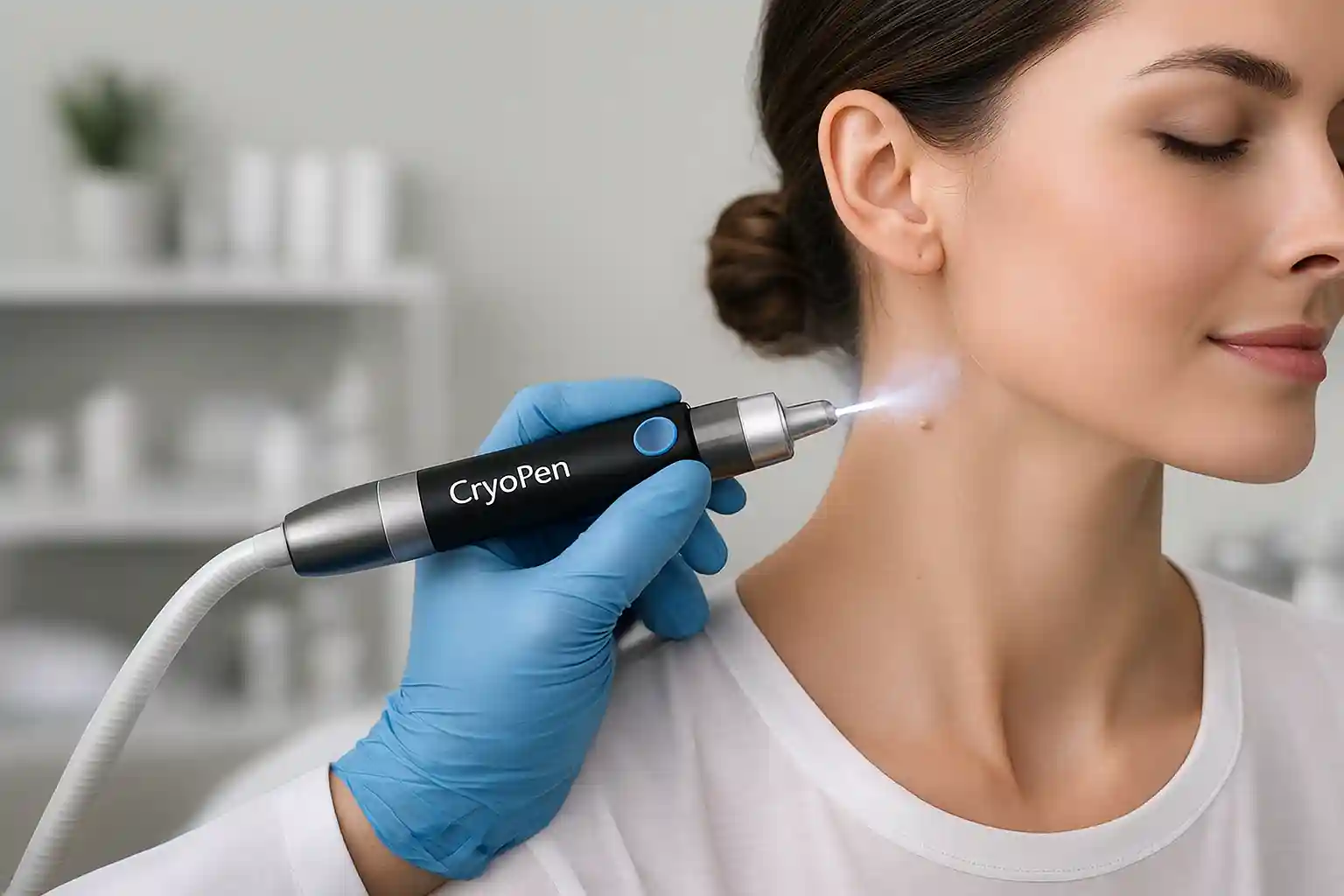
CryoPen is a device used to deliver controlled freezing to a targeted area of skin. The exact treatment method and parameters depend on the specific device model and its intended use.
The treatment uses controlled cooling of the targeted area, after which the treated skin goes through a healing process.
CryoPen should not, however, be described as a guaranteed cure for HPV. Removing the visible verruca does not necessarily mean the virus has been permanently eliminated, and a verruca can return or another lesion can develop.
The exact device model and its intended use should also be confirmed before treatment.
What happens during CryoPen verruca removal?
Before treatment, the area should be assessed to determine whether it appears suitable for cryotherapy.
This assessment is important because not every mark, thickened area or growth on the foot is necessarily a verruca.
Where treatment is considered appropriate, the CryoPen applicator is used to deliver a targeted freezing treatment to the area.
You may experience a cold, stinging, tingling or briefly uncomfortable sensation. The experience may vary depending on the size and location of the verruca, as well as how deep it is.
The duration of treatment depends on the lesion being treated and the treatment approach used.
Rather than promising that treatment will be painless, it is more useful to expect some temporary discomfort and discuss any concerns with the practitioner beforehand.
What happens afterwards?
The treated area may become red, swollen or tender. Blistering or crusting can also occur following cryotherapy.
The appearance of the area can change during healing, and the treated tissue may take time to settle.
Aftercare should follow the specific instructions provided by the practitioner. Avoid picking or deliberately removing a blister or crust, and monitor the area as it heals. Read more: CryoPen and Seborrhoeic Keratosis Treatment
If you develop increasing redness, significant swelling, discharge, worsening pain or other signs that concern you, seek appropriate medical advice.
How many CryoPen treatments will I need?
There is no reliable one-size-fits-all answer.
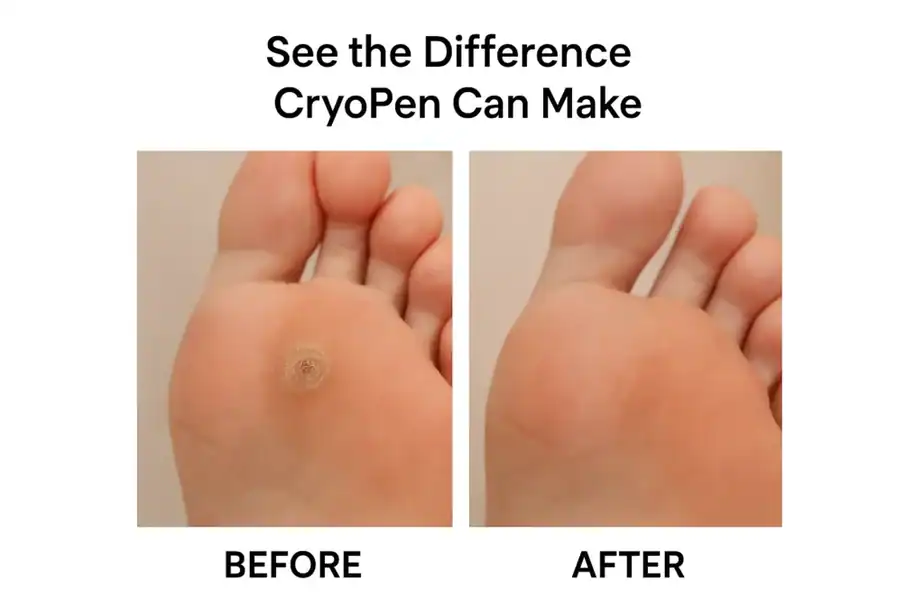
The number of treatments can depend on the size, thickness, location and persistence of the verruca and how it responds to treatment.
Some lesions may require more than one treatment, depending on their characteristics and response. Conventional cryotherapy for warts and verrucae can also require more than one session. [1][2]
It is therefore better to view CryoPen as a treatment that may require review and, where appropriate, repeat treatment rather than something that guarantees complete removal after one appointment.
Can a verruca come back?
Yes.
Successful treatment of a visible verruca does not guarantee that it will never return.
Verrucae are caused by HPV, and new or persistent lesions can occur. For this reason, claims that treatment permanently removes the problem or eliminates the possibility of recurrence should be avoided unless supported by appropriate evidence.
This is also why realistic expectations are important when deciding whether treatment is worthwhile.
Is CryoPen suitable for everyone?
No treatment should automatically be assumed to be suitable for everyone.
Particular care is needed if you have diabetes, poor circulation, reduced sensation in your feet or a weakened immune system. People with these circumstances may require professional medical or podiatric advice rather than attempting to treat the area themselves. [2][3]
You should also seek medical assessment if the lesion:
- bleeds
- changes in appearance
- becomes unusually painful
- is very large
- repeatedly returns
- is inflamed or appears infected
- may not actually be a verruca.
NHS guidance specifically recommends seeking medical advice when you are uncertain about a growth or when a wart or verruca is large, painful, bleeding or changing. [1]
Are there alternatives to CryoPen?
Yes.
Treatment decisions should depend on the individual rather than assuming CryoPen is automatically the best option.
Pharmacy treatments containing salicylic acid are commonly used for warts and verrucae, although treatment can take several weeks and may irritate surrounding skin. [1][4]
Another option is conventional cryotherapy using liquid nitrogen, which may be available through some GP practices, dermatology services or podiatrists, depending on the individual circumstances and local services. Also Check: Cryopen: The Revolutionary Treatment for Age Spots Unveiled
Studies comparing wart treatments have produced mixed results. A Cochrane review found that salicylic acid can have a modest benefit, while results for cryotherapy were less consistent. Cryotherapy can also cause side effects such as pain and blistering. [4]
For a persistent or difficult verruca, a GP, dermatologist or podiatrist may be better placed to assess the lesion and discuss appropriate treatment options.
How can you reduce the spread of verrucae?
If you have a verruca, sensible hygiene can help reduce the chance of spreading it.
NHS advice includes washing your hands after touching a wart or verruca, changing your socks every day, wearing footwear in communal areas and not sharing towels, socks or shoes. Covering a verruca when swimming can also help reduce transmission. [1]
Try not to pick or scratch the area, as this may irritate the skin and could help the virus spread to other parts of the skin.
What should you ask before having CryoPen treatment?
A good consultation should give you an opportunity to ask questions rather than simply moving straight to treatment.
Consider asking:
- Is this definitely a verruca?
- Why do you think CryoPen is suitable for me?
- Are there other treatment options I should consider?
- How many treatments am I likely to need?
- What should I expect during and after treatment?
- What aftercare will I need?
- What should I do if the area becomes increasingly painful or inflamed?
- What happens if the verruca does not respond?
- Are there any reasons treatment may not be suitable for me?
A responsible practitioner should be comfortable discussing limitations as well as potential benefits.
CryoPen verruca removal at Lipo Sculpt St Albans
If you are considering CryoPen for a persistent or troublesome verruca, the starting point should be an appropriate assessment of the lesion and your individual circumstances.
At Lipo Sculpt St Albans, following an appropriate assessment, we can discuss whether CryoPen may be a suitable option for your particular concern and explain what the treatment involves before you decide whether to proceed.
If the lesion is changing, bleeding, unusually painful, infected or you are uncertain that it is a verruca, seek medical advice rather than relying on cosmetic treatment.
Frequently asked questions
Q: Does CryoPen completely remove a verruca St Albans?
Cryotherapy is intended to treat the targeted verrucous tissue by controlled freezing. The treated area then goes through a healing process. However, no treatment should be presented as a guaranteed permanent cure, and verrucae may persist, recur or new lesions may develop.
Q: Is CryoPen painful?
You may experience cold, tingling or stinging during treatment. Discomfort varies according to the individual and the lesion being treated.
Q: Can I walk after CryoPen treatment?
Many people can continue normal activities following cryotherapy, but this depends on the treatment area, the response of the skin and your individual circumstances. Follow the aftercare advice you are given.
Q: Is CryoPen better than other verruca treatments St Albans?
There is no reason to claim that one treatment is automatically best for everyone. The appropriate option depends on the lesion, your health, previous treatment and your preferences. A consultation can help you understand the alternatives.
Q: Can children have CryoPen treatment for verrucae St Albans?
This should be decided on an individual basis after considering age, the lesion, medical history, the specific device and the practitioner’s scope of practice. It should not be assumed to be suitable for every child.
Q: Should I treat a verruca myself if I have diabetes?
Do not assume that self-treatment is appropriate. NHS and specialist foot-care guidance recommend seeking professional advice where diabetes, poor circulation or other conditions affecting foot health are present. [2][3]
Q: How quickly will my foot heal?
Healing varies. Redness, swelling, blistering or crusting can occur after cryotherapy. Your practitioner should explain what is expected for your particular treatment.
Q: What if I am not sure whether it is a verruca?
Get it assessed. A changing, bleeding, unusually painful or otherwise unusual skin growth should not simply be treated as a verruca without appropriate assessment. [1]
References & further reading
[1] NHS — Warts and verrucas — reviewed 25 July 2023.
Supports information about what verrucae are, treatment options, when to seek medical advice and reducing spread.
NHS – Warts and verrucas
[2] Guy’s and St Thomas’ NHS Foundation Trust — Verruca – Overview.
Supports information about natural resolution, treatment choices and avoiding self-treatment where diabetes or immunosuppression is present.
Guy’s and St Thomas’ NHS – Verruca
[3] British Association of Dermatologists — Plantar warts — Patient Information Leaflet, June 2022.
Supports information about plantar warts, HPV and transmission.
British Association of Dermatologists – Plantar warts
[4] Kwok CS, Gibbs S, Bennett C, Holland R, Abbott R. — Topical treatments for cutaneous warts. Cochrane Database of Systematic Reviews, 2012; Issue 9.
Supports the discussion of salicylic acid, cryotherapy, effectiveness and adverse effects.
Cochrane – Topical treatments for skin warts
[5] ASA/CAP — Health: Cryotherapy — 10 May 2022.
Supports the requirement for robust evidence when making objective efficacy claims about cryotherapy.
ASA/CAP – Health: Cryotherapy
[6] ASA/CAP — 12 Medicines, medical devices, health-related products and beauty products.
Supports the requirement for evidence behind objective health claims and responsible treatment information.
ASA/CAP – CAP Code Section 12
For more information about CryoPen Verruca Removal or to discuss your suitability, please call us on 03300101799.